
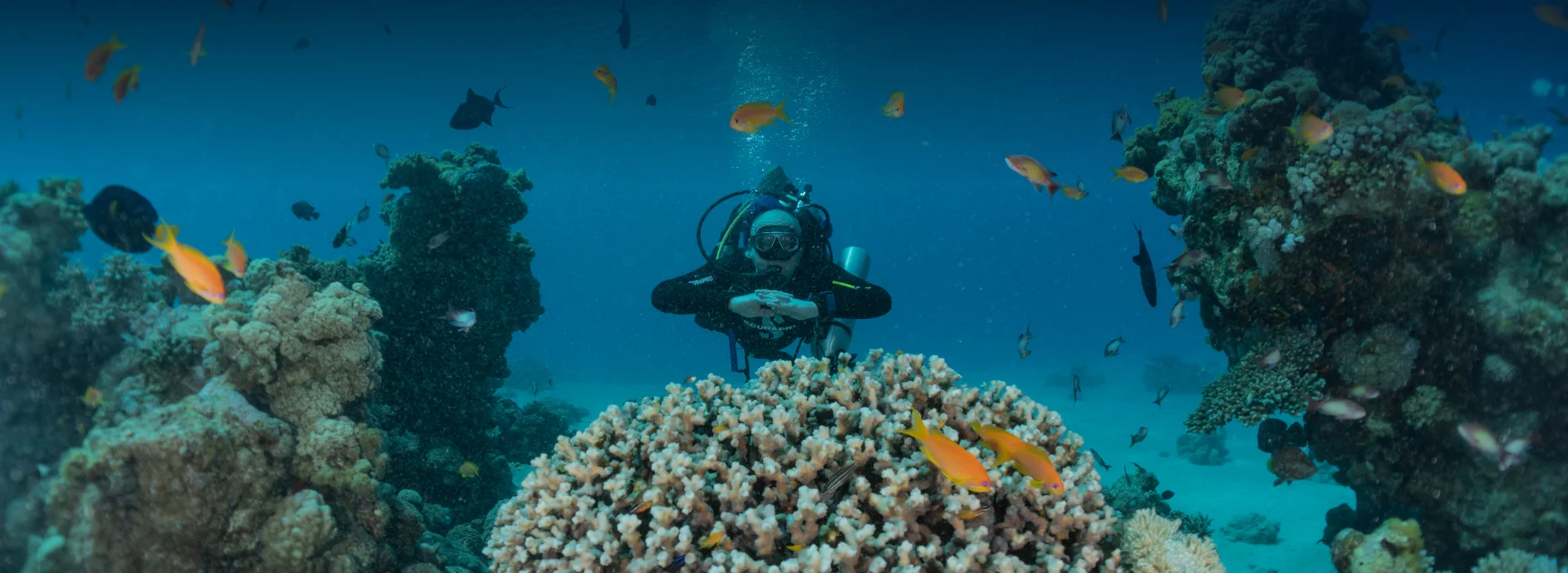

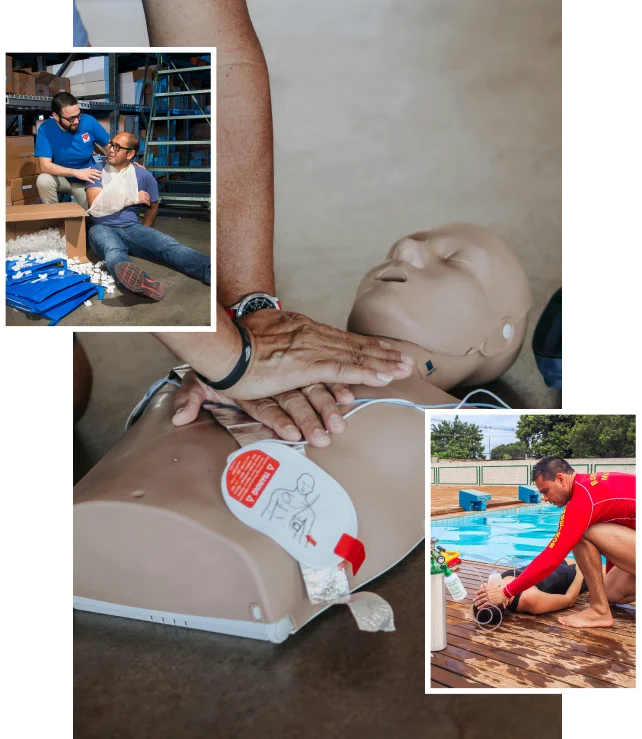
Being a safe diver isn't just about what you do underwater - it's also about being prepared for the unexpected, whether on land or at sea. The PADI Emergency First Response (EFR) course is a comprehensive first aid & CPR program that teaches you how to respond confidently & effectively in medical emergencies, both in and out of the water.
Designed for divers & non-divers alike, this course goes beyond being a fundamental part of dive education. It equips you with essential primary & secondary care skills that could make a life-saving difference in an emergency.
Besides teaching skills, it aims to foster a sense of responsibility while instilling confidence in participants. Many divers take EFR as part of their progression to becoming a PADI Rescue Diver, but it's equally valuable for families, adventure travelers, & anyone who wants to be ready to help when it matters most.
Minimum Age: 10 years
Duration: 1 day
No. of Dives: None
Prerequisites: None
Minimum Age: 10 years
Duration: 1 day
No. of Dives: None
Prerequisites: None
₹12,000 (*18% GST additional)

At UNA, the EFR course follows internationally recognized guidelines for emergency care. Training is hands-on, scenario-based, conducted in small batches, & designed to make you feel comfortable handling real-life situations. The course comprises 3 main components :
Knowledge development where you learn the theoretical aspects of EFR training. Once a course is booked, we assign e-learning materials at the earliest to help you complete theory sections at your pace & convenience, prior to arrival at the dive centre. This is highly recommended as it allows us to allocate more time to practical training.
Skill development sessions where you learn to : Assess & manage emergency scenes safely, Perform CPR (Cardiopulmonary Resuscitation) on adults, children, & infants, Use an AED (Automated External Defibrillator), Respond to choking & severe bleeding, Stabilize fractures, burns, & spinal injuries, Monitor & care for a patient until professional help arrives, & much more.
Scenario-Based Learning to practice your newly-acquired skills by responding quickly & confidently to simulated emergencies in a controlled setting.
Classes start at 8.30am & end by 5pm, provided the e-learning is completed beforehand. This allows us ample time to progress at a pace comfortable to you.
We recommend that you visit us at the dive center a day before starting your course to complete paperwork, & interact with your instructors.

Yes, you can. The EFR course is designed for complete beginners, divers and non-divers alike, and requires no prior medical or emergency response experience. In fact, most people who take the course end up using their skills not while diving, but in everyday life - whether it's helping a family member, assisting a colleague at work, or responding to an accident on the road.
Accidents can happen anytime, anywhere, and in a real emergency every second matters. With EFR training, you'll gain practical, hands-on experience in CPR, AED use, bandaging, splinting, and illness and injury assessment, so you know exactly what to do. These are life skills that go far beyond scuba diving, giving you the confidence to act when it matters most.
While EFR is a standalone course useful for anyone, it is also a required certification for those planning to continue with the PADI Rescue Diver and Divemaster courses. More importantly, it equips you with the confidence and skills to help others in real-world scenarios, both in and out of the water.
EFR certifications are valid for two years, after which a refresher is strongly recommended to keep your skills sharp and up to date.
No. During EFR training at UNA, you'll practice skills on specialized mannequins designed specifically for CPR training, using protective barriers like pocket masks to ensure safety and comfort. In reality, you're more likely to perform CPR on someone you know versus a stranger given that approximately 80% of cardiac events happen at home.
Research also shows that when done correctly, chest compressions alone can be just as effective as chest compressions with rescue breaths. That's why hands-on practice with a qualified instructor is so valuable - it builds both confidence and skill for real-life situations.
We recognise that healthcare professionals like doctors, nurses, and paramedics often receive CPR and first aid training during their studies. However, in the years that follow, some medical professionals do not use CPR and first aid skills frequently, causing them to fade over time.
The purpose of Emergency First Response training is to ensure that everyone - regardless of background & experience - has up-to-date, hands-on practice with the latest guidelines. With that in mind, here are a few pointers :
This way, all participants - whether healthcare professionals or not - enter their next level of training with fresh, reliable skills they can confidently use in real-world emergencies.